In The Hands Of Professionals: Confiding In Your LASIK Surgeon


Personnel Writer-Yildirim Ernstsen
Choosing to pursue laser eye surgery is a important decision that can significantly enhance your life quality. With the promise of improved vision and the liberation from glasses or contacts, many people are excited to make the leap. However, the key to a positive procedure lies in selecting the appropriate eye surgeon. Trusting your LASIK surgeon is essential, and spending time in evaluating their experience and skills can lead to a more comfortable surgical journey.
An skilled LASIK surgeon possesses not only the technical skills essential for the procedure but also the ability to address your questions and offer personalized care. Whether you opt for traditional LASIK or bladeless LASIK, locating a laser eye surgeon with a solid track record and thorough understanding is crucial. As you weigh this life-changing option, it is vital to understand that you are in good hands, allowing you to approach the surgery with self-assurance and peace of mind.
Qualities of an Experienced LASIK Surgeon
An experienced LASIK surgeon holds a thorough understanding of the complexities involved in refractive surgery. Their extensive training enables them to evaluate each patient's individual needs and circumstances, providing personalized treatment plans. This expertise allows them to accurately diagnose likely issues and select the most appropriate techniques, including whether to use all-laser technology or not, thus enhancing the entire safety and success of the procedure.
In addition to practical skills, an experienced LASIK surgeon should have a reputation of successful surgeries and satisfied patients. This can be evaluated through patient feedback, ratings, and before-and-after results. Such input not only demonstrates the surgeon’s skill but also their ability to establish a comfortable relationship with patients, helping them feel comfortable throughout the process. An effective surgeon often emphasizes open communication, allowing patients to ask questions and express doubts, which is essential for achieving the optimal outcomes.
Ongoing education and training also define a seasoned LASIK surgeon. The field of laser eye surgery is always evolving with emerging technologies and techniques. An experienced surgeon is dedicated to keeping informed on these advancements, attending workshops, engaging in conferences, and networking in professional networks. This dedication to lifelong learning ensures they offer the most effective solutions for their patients’ vision correction needs.
Grasping No-Blade LASIK Procedure
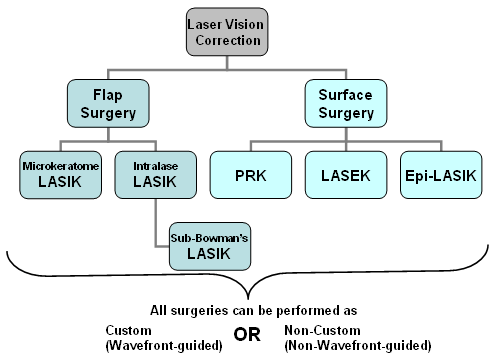
Bladeless LASIK procedure, also known as all-laser LASIK, serves as a substantial advancement in the area of sight correction. Differing from traditional LASIK, which uses a microkeratome blade to form a corneal flap, this technique uses a femtosecond laser to accomplish the same outcome with greater accuracy and protection. The laser provides a better flap formation, minimizing the chance of complications and making sure that the cornea maintains its physical consistency throughout the operation.
A primary advantages of undergoing blade-free LASIK is the decrease in discomfort typically linked to flap creation. Since there is no tangible blade involved, patients experience less tension during the procedure, resulting in a less uncomfortable process overall. Additionally, the enhanced precision of the femtosecond laser allows the surgeon to adjust the flap based on the specific patient's distinct eye configuration, which can lead to better visual outcomes.
Moreover, blade-free LASIK facilitates shorter recovery periods for patients. Because the surgical technique is less invasive, many patients find that they experience better visual clarity within a day or two post the procedure. This quick healing timeline, along with the reduced likelihood of complications, has rendered blade-free LASIK a favored choice among those seeking to enhance their sight and minimize their need on glasses or contact lenses. As is customary, it is crucial to meet with an skilled LASIK surgeon to decide the most suitable approach for your specific vision demands.
Choosing the Right LASIK Surgeon
Selecting the appropriate LASIK surgeon is a vital step in securing a favorable procedure and excellent visual results. Begin by seeking an qualified LASIK surgeon with a solid track record in ophthalmic eye surgery. Check Dr. Cutarelli Vision Correction Colorado , including board certifications and dedicated training in LASIK techniques. A surgeon with ample experience in performing LASIK procedures, especially in your specific eye condition, provides confidence in their ability to manage a variety of cases and potential complications.
In addition to experience, take into account the technology utilized by the surgeon. https://www.sentinelassam.com/health/lasik-eye-surgery-here-is-all-you-need-to-know-520276 -blade LASIK surgeon utilizes advanced laser technology that enhances precision and minimizes the recovery time, potentially leading to better outcomes. Explore the types of lasers and equipment used at the practice to verify they utilize the latest innovations. This can also reflect the overall dedication of the surgeon to remain current with advancements in the field of laser eye surgery.
Lastly, don’t underestimate the importance of private comfort and rapport with your LASIK surgeon. Set up consultations to discuss your expectations and expectations. This engagement permits you to evaluate the surgeon’s communication style, approach to patient care, and willingness to answer questions. A trustworthy surgeon will take the time to clarify the procedure, address any issues, and make sure you feel confident in your decision. Selecting a LASIK surgeon is not just about competence—it’s about finding someone who helps you feel secure and appreciated throughout the process to better vision.
The Role of a Laser Eye Surgeon
A laser eye surgeon represents a essential professional in the field of ocular treatment, notably when it comes to operations such as LASIK. Their primary responsibility involves assessing patients to determine their fitness for surgery. This includes carrying out thorough eye exams and analyzing the patient's medical history, confirming they meet the essential conditions for a successful outcome. By combining technical expertise with an extensive knowledge of eye health, an proficient LASIK surgeon takes a critical role in orchestrating patients through the decision-making.
Along with patient evaluations, a laser eye surgeon furthermore is obligated to executing the specific intervention. This requires not only exactness and skill but also a deep understanding of the latest technology and techniques, such as all-laser LASIK. As innovations in optical technology advance, these surgeons must become knowledgeable and proficient at applying state-of-the-art equipment and methodologies, ensuring the top level of care and security for their clients.
Post-surgery management is an additional critical aspect of a surgeon's role. They observe patients following operation to check recovery and vision success, offering check-ups for any concerns or troubles. This ongoing focus to patient care contributes to establish credibility and trust in their skills, emphasizing the importance of selecting a skilled and proficient LASIK surgeon for such a significant procedure.